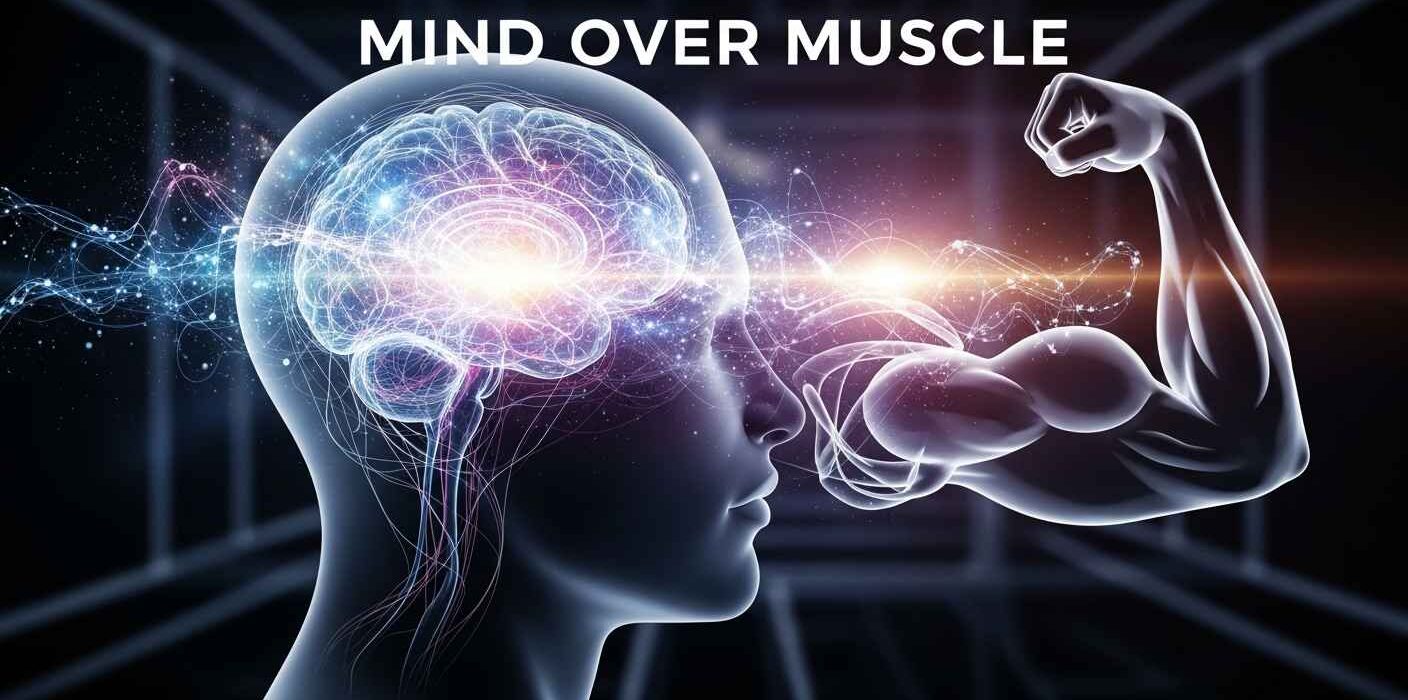
When most people think about survival or combat, they imagine the strongest person winning — the one who can lift the heaviest weight, throw the hardest punch, or run the fastest. But history and real-world experience tell a different story: raw strength is only one piece of the puzzle. In life-or-death situations, it’s often tactical awareness — the ability to stay calm, assess, plan, and act strategically — that determines who comes out on top.
Muscle may give you an advantage in certain moments, but a sharp mind gives you the ability to adapt, outthink, and outmaneuver threats. Whether you’re talking about self-defense, military operations, or wilderness survival, your brain is the ultimate survival tool.
Why Raw Strength Isn’t Enough
Strength is valuable — no question. It allows you to carry heavy loads, overpower opponents, and endure physical stress. But relying solely on brute force can be dangerous.
A stronger person can still lose a fight if they waste energy, misjudge distance, or panic under pressure. Someone with more muscle but less training can be quickly neutralized by an opponent who understands leverage, timing, and positioning.
In survival scenarios, strength alone won’t help you find shelter, purify water, or navigate safely. In fact, excessive exertion can lead to faster fatigue, dehydration, or injury — making the situation worse.
The Power of Tactical Awareness
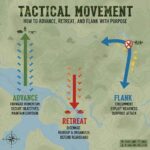
Tactical awareness is the art of seeing the bigger picture and acting with intention. It combines observation, decision-making, and controlled execution. It means knowing when to fight, when to flee, and when to stay still.
Here’s why it’s often more important than physical strength:
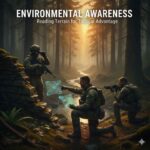
- Situational Awareness: Being alert to your environment lets you avoid danger before it happens.
- Energy Conservation: A tactical mindset helps you preserve strength for when it’s truly needed.
- Creative Problem-Solving: You find solutions beyond brute force — using tools, environment, and timing to your advantage.
- Psychological Edge: Calm decision-making under stress keeps panic from turning a tough situation into a fatal one.
Lessons from Military and Special Forces
Elite soldiers are rarely the biggest or strongest people on the battlefield — but they are some of the most mentally resilient. Military training focuses on decision-making under pressure, teamwork, and adaptability.
Special operations units spend as much time sharpening their mental skills as they do building physical endurance. They rehearse scenarios, learn to control fear, and train their brains to process information quickly.
This mental preparation is what allows them to stay effective in chaotic, high-risk situations — an ability that raw strength alone can’t provide.
Everyday Examples of Mindset Over Muscle
You don’t have to be in combat to see how tactical awareness matters. Think about everyday situations:
- A smaller person using martial arts technique to disable a much larger attacker.
- A driver who avoids a car accident by staying calm and reacting strategically.
- A hiker who conserves energy and rations water while waiting for rescue — instead of panicking and worsening their condition.
In each case, it’s not the physically strongest person who wins — it’s the one who stays focused and makes the smartest choices.
The Psychology of Survival
Survival experts often talk about the “survival mindset.” This is the mental state that keeps people alive in extreme conditions. It involves:
- Calm Under Pressure: The ability to slow down breathing, think clearly, and not let fear take over.
- Positive Attitude: Believing you can survive gives you the will to keep trying.
- Adaptability: Adjusting plans as conditions change instead of clinging to what isn’t working.
- Awareness of Priorities: Following principles like the Rule of Threes (shelter, water, food) instead of wasting energy on non-essentials.
Even the strongest person can fail if they lose hope or panic. Mental toughness often outlasts physical power.
Building Tactical Awareness
The good news is that tactical awareness can be developed — just like strength can. Here are a few ways to sharpen it:
- Practice Situational Awareness: Next time you’re in public, notice exits, observe people’s behavior, and identify potential hazards.
- Learn Basic Self-Defense: Understanding leverage and body mechanics teaches you to rely on skill, not brute force.
- Run Mental Scenarios: Think through “what if” situations — home invasion, car breakdown, sudden storm — and plan your responses.
- Train Stress Response: Activities like martial arts, tactical shooting, or even timed problem-solving drills help you stay calm under pressure.
- Develop Critical Thinking: Learn to analyze situations quickly and make decisions with limited information.
Balancing Strength and Strategy
This isn’t to say strength doesn’t matter — it does. A well-prepared individual combines physical fitness with tactical smarts. Strength supports endurance, makes you harder to overpower, and improves resilience.
But strength without strategy is like a powerful engine with no steering wheel. The combination of mental clarity and physical ability is where true readiness lives.
Final Thoughts: The Mind Is Your Greatest Weapon
In the end, survival isn’t about who’s the strongest — it’s about who’s the smartest, calmest, and most adaptable under pressure. Tactical awareness allows you to avoid danger, make better decisions, and use your physical abilities efficiently.
So, instead of focusing only on building muscle, focus on building mindset. Learn to think critically, stay calm, and read situations before they escalate. Because when the stakes are high, mindset over muscle is what keeps you alive.