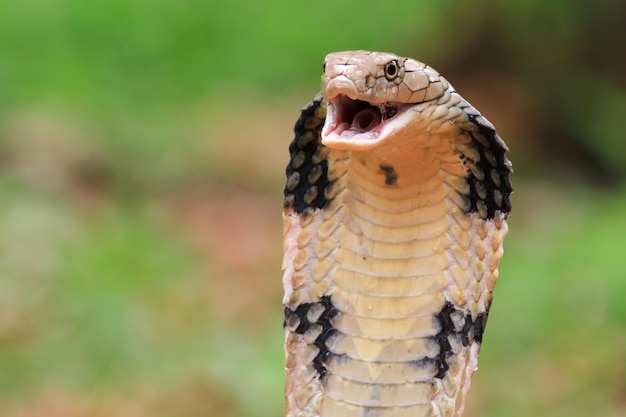
Snakebites are one of those survival threats that demand instant knowledge and the right reaction. A wrong move—even with good intentions—can make things worse. Whether you’re hiking, camping, or working outdoors, knowing what truly helps and what myths to avoid could save a life.
✅ What Actually Works
1. Stay Calm and Limit Movement
Panic increases heart rate, which spreads venom faster. Keeping the victim calm and still is the first and most critical step.
2. Immobilize the Affected Limb
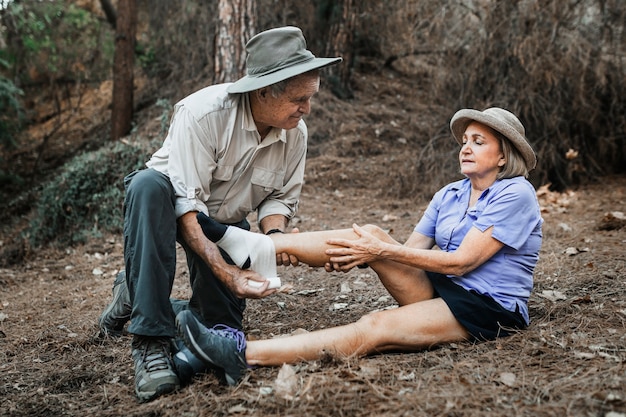
Use a splint or any firm support to keep the bitten limb steady. This slows venom circulation. Keep the limb at or slightly below heart level.
3. Apply a Pressure Immobilization Bandage (for Certain Species)
For neurotoxic bites (like cobras or kraits), a broad bandage wrapped firmly over the bite site and limb can help. Do not cut off circulation—just firm enough to slow venom spread.
4. Get Medical Help Immediately
Antivenom is the only definitive treatment. Call emergency services or head to the nearest hospital as fast as possible.
5. Take Note of the Snake (If Safe)
If you can safely remember the snake’s color, size, or pattern—do so. But never waste time or risk another bite trying to catch or kill it.
❌ What Doesn’t Work (Dangerous Myths)
🚫 Cutting the Wound
Making incisions to “let the venom out” causes more damage, increases infection risk, and does nothing to remove venom.
🚫 Sucking Out Venom
Movies made this famous, but it’s useless. Venom spreads too quickly, and mouth suction won’t help—it may even introduce infection.
🚫 Applying a Tourniquet
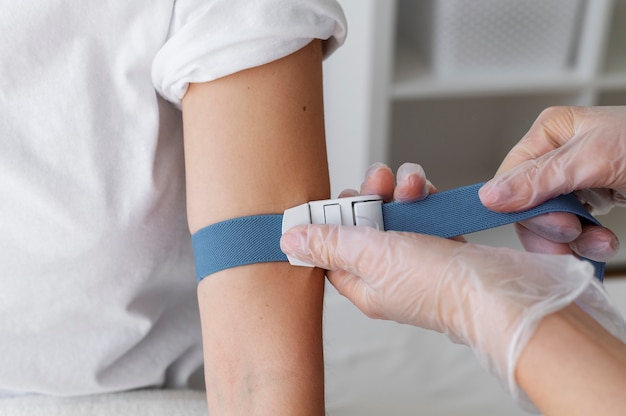
Completely cutting off blood flow risks permanent damage and amputation. Controlled pressure is better than a tourniquet.
🚫 Applying Ice or Chemicals
Cold, alcohol, kerosene, or herbs don’t neutralize venom. Ice can worsen tissue injury, and chemicals increase complications.
🚫 Trying to Walk It Off
Exertion speeds venom spread. Victims should remain still and be carried or transported.
🧠 Key Takeaway
Snakebite survival isn’t about being a hero with improvised tricks—it’s about slowing venom spread, avoiding harmful myths, and getting medical help fast. Remember: immobilize, stay calm, and seek antivenom.
🔥 Pro Tip: If you live or travel in snake-prone areas, carry a first aid kit with pressure bandages and learn the venomous species common in your region.