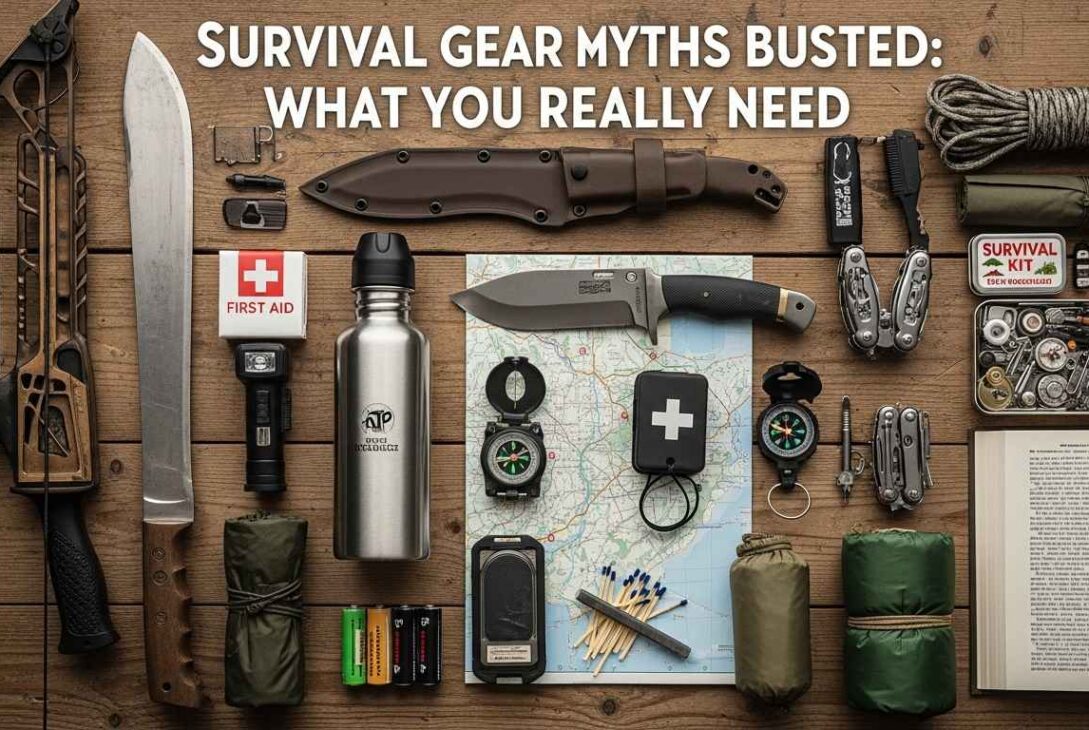
When it comes to survival and prepping, the sheer amount of gear on the market can be overwhelming. From high-tech gadgets to specialty tools, it’s easy to get caught up in trends, marketing hype, and popular misconceptions. But not all survival gear is created equal—and some items that seem essential may actually be unnecessary, bulky, or even counterproductive.
In this article, we’ll bust common survival gear myths and focus on what you really need to be prepared for emergencies. Understanding these truths will help you build a practical, efficient, and life-saving survival kit.
Myth 1: You Need a Huge, Expensive Bug-Out Bag
Many newcomers to prepping assume that survival success depends on a massive, fully loaded bag costing hundreds or thousands of dollars. In reality, weight, portability, and essential items matter far more than brand or size.
The Reality:
A bug-out bag should be lightweight and manageable, ideally under 40 pounds, and packed with essentials like water, food, first-aid supplies, a multitool, fire-starting tools, and basic shelter equipment. Overloading your bag can slow you down or make it impractical in real emergencies.
Tip: Prioritize multifunctional items—like a knife with multiple tools or a compact water filter—rather than buying dozens of single-use gadgets.
Myth 2: High-Tech Gadgets Will Save You
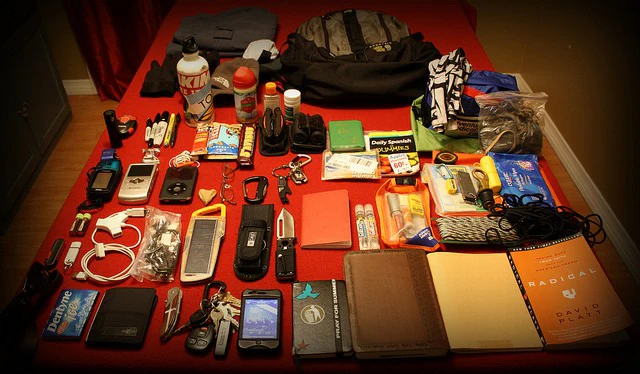
Survival gear marketing often emphasizes advanced electronics: solar-powered gadgets, GPS devices, or emergency radios. While these tools can be useful, they are not substitutes for fundamental skills or basic tools.
The Reality:
High-tech devices can fail due to battery issues, environmental conditions, or mechanical malfunctions. In a survival scenario, relying solely on electronics can leave you stranded.
Essential Tools You Really Need:
- Fire-starting kit (matches, lighters, or ferro rods)
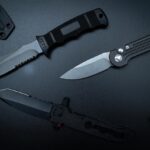
- Sturdy knife or multitool
- Durable water container and purification method
- Compact first-aid kit
- Lightweight shelter or emergency blanket
Learning traditional survival skills—such as navigation using a map and compass or building a fire—ensures you’re prepared even when gadgets fail.
Myth 3: You Need Extreme Specialty Gear
Some preppers invest in gear tailored for rare or extreme situations: shark-proof suits, avalanche beacons, or specialized mountaineering tools. While impressive, most emergencies are much more mundane, involving short-term shelter, water access, or first-aid situations.
The Reality:
Investing heavily in extreme gear can drain resources and clutter your kit. Focus on multipurpose, adaptable items that cover a wide range of likely scenarios.
Tip: Instead of a high-end survival tent, a simple tarp and rope can provide effective shelter. A water filter and purification tablets cover both emergency and everyday hydration needs.
Myth 4: You Need to Carry Days of Food in Your Bag
While food is essential for long-term survival, carrying multiple days of heavy rations can make your bag cumbersome.
The Reality:
Energy-dense, lightweight foods like nuts, protein bars, dried fruit, and freeze-dried meals are more practical. Your primary focus should be on hydration, as water is heavier and more critical than calories in short-term emergencies.
Tip: Carry 1–2 liters of water per person along with a portable purification method—this is far more crucial than overstocking on food.
Myth 5: Survival Gear Alone Ensures Safety
A common misconception is that buying the “right” gear guarantees survival. While equipment is important, knowledge, training, and mental preparedness are equally, if not more, crucial.
The Reality:
A well-stocked kit is useless if you don’t know how to use it. Skills like fire-starting, basic first aid, navigation, and emergency signaling are indispensable. Mental resilience—staying calm, making decisions under pressure, and problem-solving—often determines survival more than any tool.
Tip: Practice with your gear regularly. Conduct drills to simulate emergency scenarios and familiarize yourself with how each item works.
Building a Practical Survival Kit
A functional survival kit balances necessity, portability, and versatility. Here’s a breakdown of what you really need:
- Water & Purification: Bottled water, collapsible containers, water filters, and purification tablets.
- Food: Lightweight, high-energy foods such as nuts, jerky, and freeze-dried meals.
- Shelter: Tarp, poncho, emergency blanket, or compact tent.
- Tools: Knife, multitool, fire starter, cordage (paracord).
- Medical Supplies: Bandages, antiseptic wipes, pain relievers, and personal medications.
- Navigation & Communication: Compass, map, whistle, and battery-powered or hand-crank radio.
- Clothing & Protection: Weather-appropriate clothing, gloves, and durable footwear.
Remember, less is more—prioritize multipurpose items that reduce weight and simplify your bag.
Conclusion
When it comes to survival, myths and marketing hype can lead preppers astray. You don’t need a massive, expensive, or specialized arsenal to be prepared. What truly matters is lightweight, versatile, and essential gear paired with practical skills and knowledge.
By focusing on what you actually need—water, food, shelter, tools, first aid, and knowledge—you’ll be ready for most emergencies without being weighed down by unnecessary items. Survival is about adaptability, preparedness, and smart choices, not the latest gadget or trendy gear.