
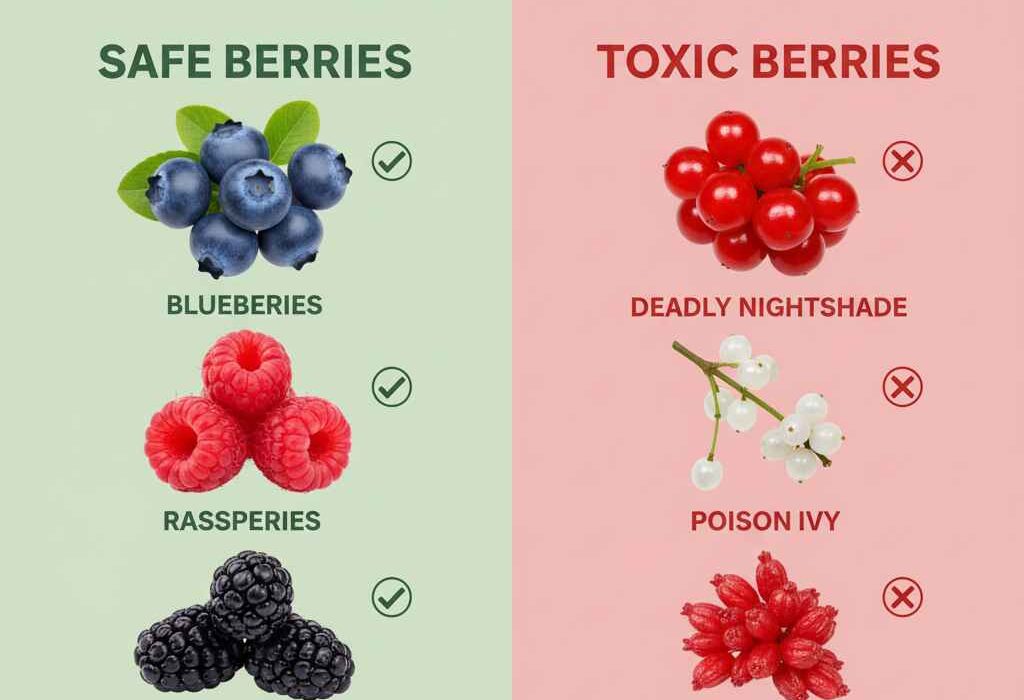
When food runs short in the wild, berries often become a tempting survival option. Their bright colors and easy availability make them one of the first things people think of when hunger strikes. But here’s the catch: some berries can keep you alive, while others can make you violently ill—or even kill you. Knowing the difference between safe and toxic berries is a skill every survivalist should carry.
Why Berries Are Tricky in Survival
Unlike mushrooms, which are often strictly edible or poisonous, berries live in a gray zone. Many look alike, with only subtle differences between safe and harmful types. Birds and animals may eat them safely, but that doesn’t mean humans can. For example, holly berries and yew berries look inviting but are dangerously toxic. The wrong choice in a survival situation can turn desperation into disaster.
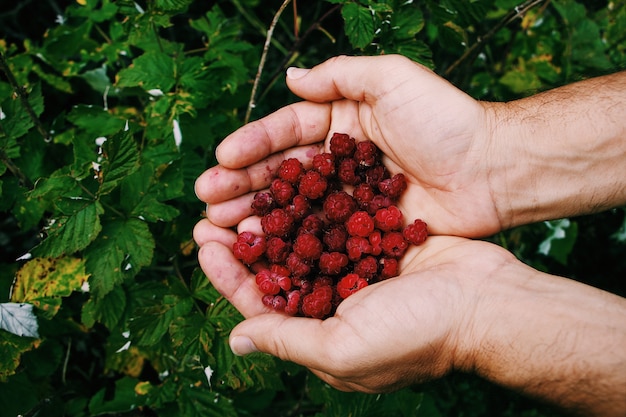
General Rules for Identifying Safe Berries
There’s no foolproof method without training, but these guidelines increase your chances:
- Color clues: Blue, black, and purple berries are more often safe, while white, yellow, and green berries are commonly toxic.
- Cluster patterns: Berries growing in tight clusters or on vines with milky sap should be avoided.
- Taste test (last resort): If you must, use the universal edibility test—rub on skin, lips, and tongue before chewing. Wait hours before swallowing. But in survival, this is a last resort, not a guarantee.
Examples of Safe Wild Berries
- Blackberries: Common, easy to identify, with thorny stems and clustered fruit.
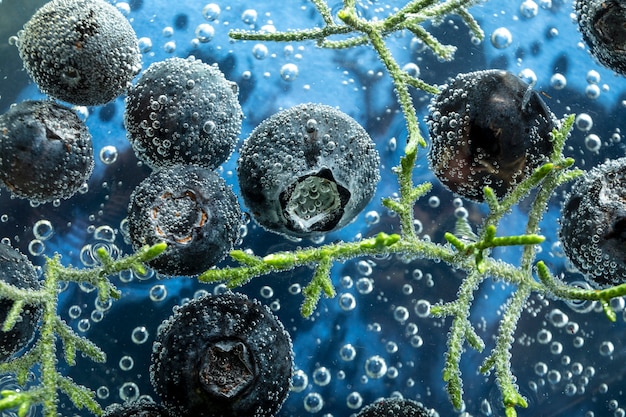
- Blueberries: Found in bushes, with crown-like markings on top of the berry.
- Elderberries (cooked): Raw can cause stomach upset, but properly cooked, they’re highly nutritious.
- Mulberries: Grow on trees, changing from white/green to deep purple when ripe.
Examples of Toxic Wild Berries
- Holly berries: Bright red, shiny, and highly toxic—cause nausea and vomiting.
- Yew berries: Red with a jelly-like flesh surrounding a poisonous seed.
- Mistletoe berries: White and waxy, dangerous if ingested.
- Pokeweed berries: Dark purple but highly toxic to humans, even if birds eat them.
Survival Tip: Knowledge Beats Guesswork
The best survival strategy is learning berry identification before you need it. A compact field guide or a survival app stored offline can make the difference between nourishment and poisoning. In a survival situation, if you’re unsure, don’t risk it—skip the berry and look for other food sources.
Closing Thoughts
Berries can be lifesaving in the wild, but they can also be lethal. The line between the two is thin, and survival depends on knowledge, patience, and caution. Remember: when in doubt, leave it out. Nature provides plenty of options—only some are meant for human survival.