In the world of tactical professions—military, law enforcement, firefighting, or executive protection—fitness is not a hobby; it is a non-negotiable component of the job. But traditional gym routines, focused solely on aesthetics or maximal lifts, often fall short when faced with the chaotic, unpredictable, and multi-faceted demands of a real-world scenario. Combat fitness is a specialized approach that conditions the body for endurance, explosive power, and functional resilience—the elements that truly matter when survival is on the line.
The Three Pillars of Tactical Resilience
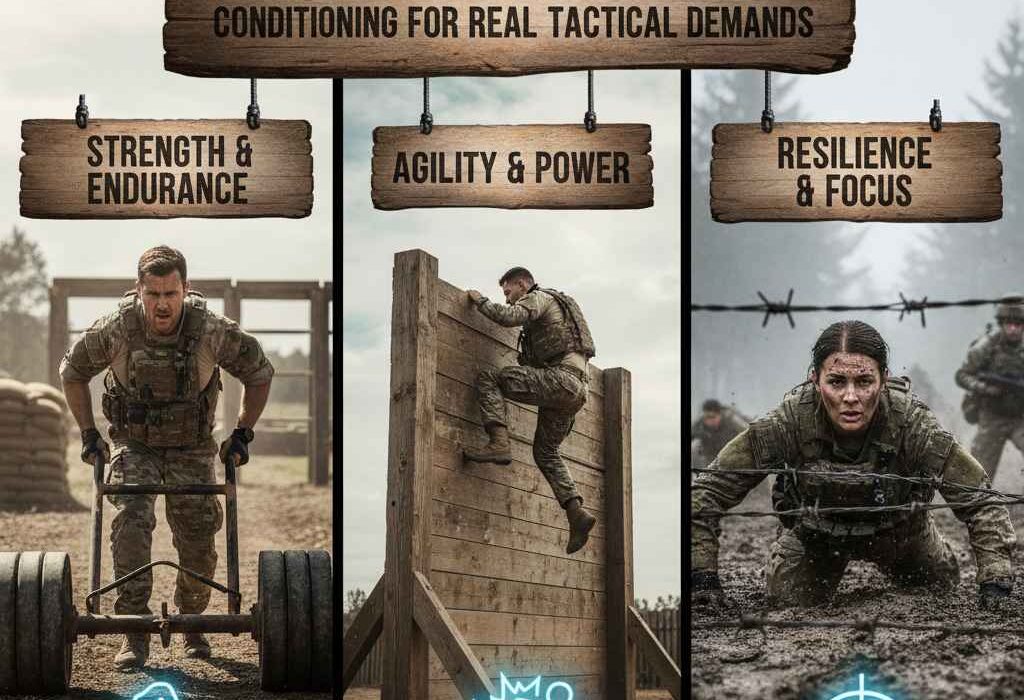
Combat fitness doesn’t prioritize one aspect of fitness; it integrates three key components that are constantly tested in a tactical environment.
1. Endurance Under Load (The Grind) 🏋️
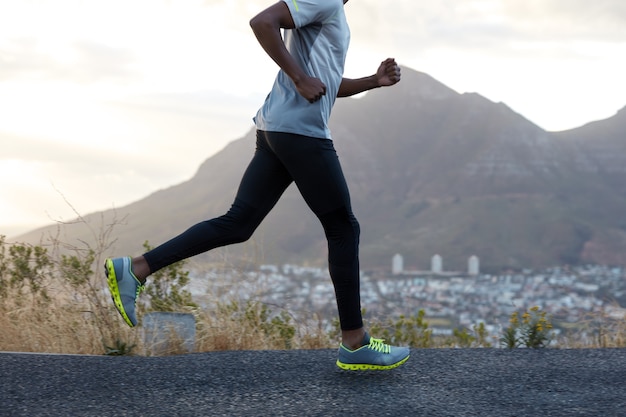
A tactical situation is rarely a quick sprint. It involves long periods of vigilance, followed by bursts of intense, sustained effort, often while carrying heavy gear.
- Focus: Sustained cardiovascular and muscular endurance.
- Training Methods: Ruck marches (walking/running with a loaded backpack), weighted carries (sandbags, kettlebells), and circuit training that mimics moving and manipulating equipment. The goal is to condition your body to maintain a high work capacity under stress, for a long duration.
2. Explosive Power and Agility (The Burst) ⚡
Tactical environments demand immediate, untelegraphed bursts of energy: vaulting a wall, quickly drawing a weapon, dragging an injured partner, or initiating a sprint.
- Focus: Anaerobic power, fast-twitch muscle fiber recruitment, and quick changes in direction.
- Training Methods: Plyometrics (box jumps, bounds), kettlebell swings, short-burst sprint intervals, and agility ladder drills. Training should prioritize speed and quick force production over slow, heavy lifting.
3. Functional Resilience (The Unpredictable) 🤸
Real-world movement is rarely confined to one plane of motion. You need rotational strength, core stability, and the ability to maintain balance while being pulled, pushed, or off-kilter.
- Focus: Core strength, grip strength, and unilateral (single-limb) stability.
- Training Methods: Exercises that engage the core’s ability to resist rotation (e.g., Pallof press), Turkish get-ups (which require total-body coordination and stability), farmer’s carries (for crushing grip strength), and uneven-load training. These movements build a resilient, injury-resistant body capable of handling awkward positions.
Moving Beyond the Machine
If your fitness is geared toward tactical readiness, you need to step away from isolated, machine-based exercises.
- Embrace Compound Movements: Focus on movements that recruit multiple muscle groups at once and mimic real-world tasks: deadlifts, squats, clean-and-press, and pull-ups.
- Prioritize Full Range of Motion: Training through a full range of motion ensures your joints and ligaments are strong and prepared for the dynamic, often stressful, positions required in the field.
- Integrate Stress and Fatigue: True combat conditioning involves training when you are already tired. Try doing a high-intensity circuit after a long endurance run, or practicing marksmanship after a strenuous round of burpees. This trains your body and mind to perform under duress.

In the end, combat fitness is not about looking tough; it’s about being effective when life depends on it. It’s a commitment to building a body that is a tool for survival and success in the face of chaos.