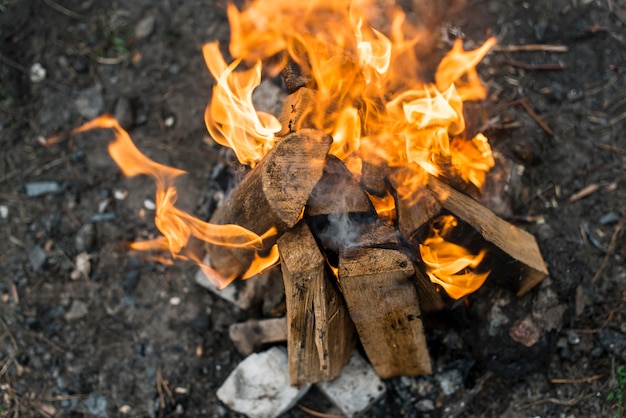
When it comes to survival, fire is life. It provides warmth, cooks food, purifies water, and keeps predators at bay. But what if you don’t have matches or a lighter? That’s where old-school survival skills come in. Knowing how to start a fire using natural or simple tools is an essential survival skill that could mean the difference between life and death.
In this guide, we’ll cover three of the most reliable fire-starting methods without matches: flint and steel, steel strikers, and friction techniques.
Why Learn Fire-Making Without Matches?
Matches run out. Lighters fail. Weather can ruin both. But with a little knowledge and practice, you’ll never have to depend on them. Primitive fire-making methods ensure you can create flames anywhere, anytime, using what nature provides.
1. Flint and Steel Method
This is one of the oldest and most reliable fire-starting methods.
What You Need:
- A piece of flint (or any hard rock with sharp edges)
- A high-carbon steel striker (knife spine or dedicated striker)
- Char cloth or dry tinder (cotton, birch bark, dry grass)
How It Works:
- Hold the flint firmly and strike it with steel at an angle.
- Sparks will fly off the steel and land on your char cloth or tinder.
- Once the ember catches, gently blow on it until it glows.
- Transfer the ember into a tinder bundle and blow until it flames.
Pro Tip: Always carry char cloth—it catches sparks easily and works even in damp conditions.
2. Ferro Rods (Modern Flint Alternative)
While not traditional, ferrocerium rods (fire steels) are a survivalist’s favorite. They produce hotter sparks than flint and work in almost any weather.
Steps:
- Scrape the rod sharply with a steel edge or knife spine.
- Direct sparks into your tinder nest.
- Blow gently to grow the ember into flame.
Why It’s Great: Ferro rods can be used thousands of times, making them ultra-reliable.
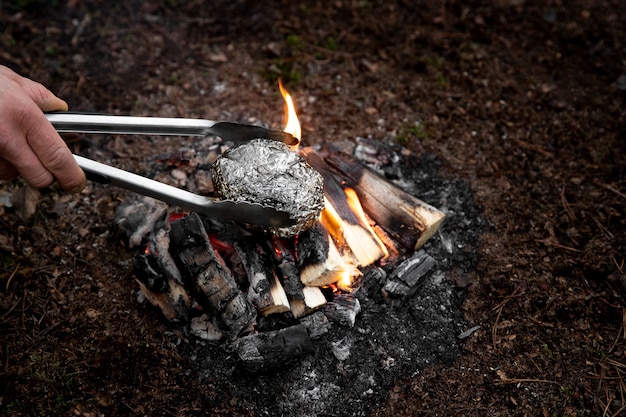
3. Friction Fire Methods
These methods use physical effort and skill to create enough heat to ignite tinder.
🔹 Bow Drill
What You Need:
- A bow (stick with cord)
- A spindle (straight stick)
- A fireboard (flat wood with notch)
- Tinder bundle
Steps:
- Wrap the spindle in the bowstring.
- Place spindle tip in fireboard notch.
- Saw the bow back and forth to spin spindle.
- The friction creates an ember—transfer it to tinder and blow into flame.
Why It Works: Once mastered, it’s reliable, but it takes practice and the right wood types.
🔹 Hand Drill
What You Need:
- A straight spindle
- A fireboard
- Dry hands (lots of endurance)
Steps:
- Roll the spindle between your palms while pressing down.
- Friction generates heat until an ember forms.
- Place ember into tinder nest and blow into flame.
Pro Tip: This is harder than a bow drill—requires strong hands and dry materials.
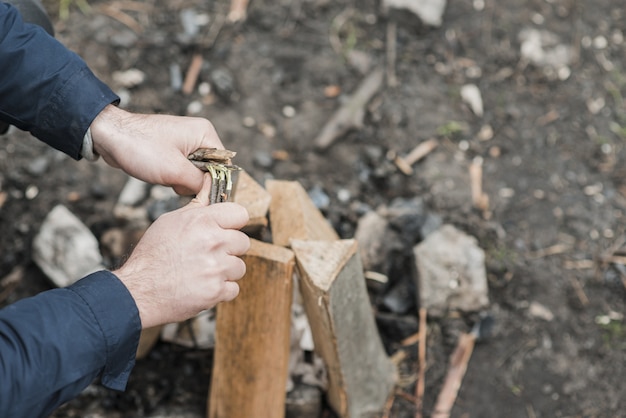
Tinder Materials That Work Best
- Dry grass, leaves, or pine needles
- Birch bark (ignites easily, even when damp)
- Cotton balls (with or without petroleum jelly)
- Char cloth (best for catching sparks)
Final Thoughts
Fire-making without matches isn’t just a survival skill—it’s a confidence booster. Whether using flint and steel, a ferro rod, or friction fire, the key is practice. Don’t wait for an emergency—test these methods in your backyard, camping trip, or survival drills.
In survival, fire equals life. Mastering these methods ensures you’ll never be left in the cold.