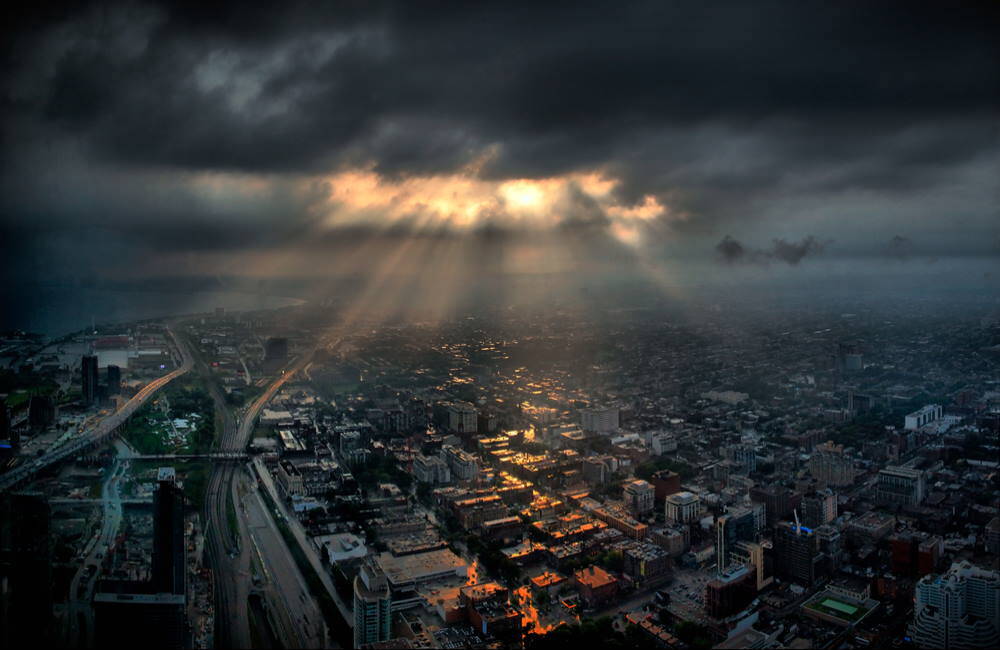
When the power grid goes down, life as we know it can change in an instant. No lights, no internet, no running water, no ATMs — just silence and uncertainty. While short power outages are common and usually resolved quickly, a large-scale grid failure could last days, weeks, or even longer. For patriots, preppers, and anyone concerned about self-reliance, being prepared isn’t just an option — it’s a responsibility.
In this guide, we’ll explore what a grid-down scenario looks like, why it happens, and, most importantly, how you can prepare to keep yourself and your family safe, fed, and secure when the lights go out for good.
Understanding Grid-Down Scenarios
The “grid” refers to the interconnected network of power plants, transmission lines, and substations that deliver electricity to homes and businesses. A grid-down scenario means that this system is offline — whether due to natural disaster, cyberattack, EMP (electromagnetic pulse), or human error.

Some of the most common causes include:
- Severe Weather: Ice storms, hurricanes, or wildfires can knock out power to millions.
- Cyberattacks: Hackers targeting critical infrastructure can cripple a nation’s power supply.
- EMP or Solar Flare: A large-scale electromagnetic pulse could fry electronics and bring the grid to a halt.
- Equipment Failure: The aging power grid in many countries makes large-scale blackouts more likely.
Understanding the causes helps you prepare better. If you know what risks are most likely in your area, you can tailor your preparations accordingly.
The Mindset: Prepared, Not Panicked
The first step in preparing for a grid-down scenario is mental. Fear leads to bad decisions. Preparation leads to confidence. Patriots approach this challenge with a calm, calculated mindset, focusing on resilience instead of fear.
Ask yourself:
- Could you feed your family for two weeks without electricity?
- Could you keep warm if the outage happened during winter?
- Could you protect your home if civil unrest followed?
The answers to these questions will guide your preparations.
Building Your Emergency Supply Kit
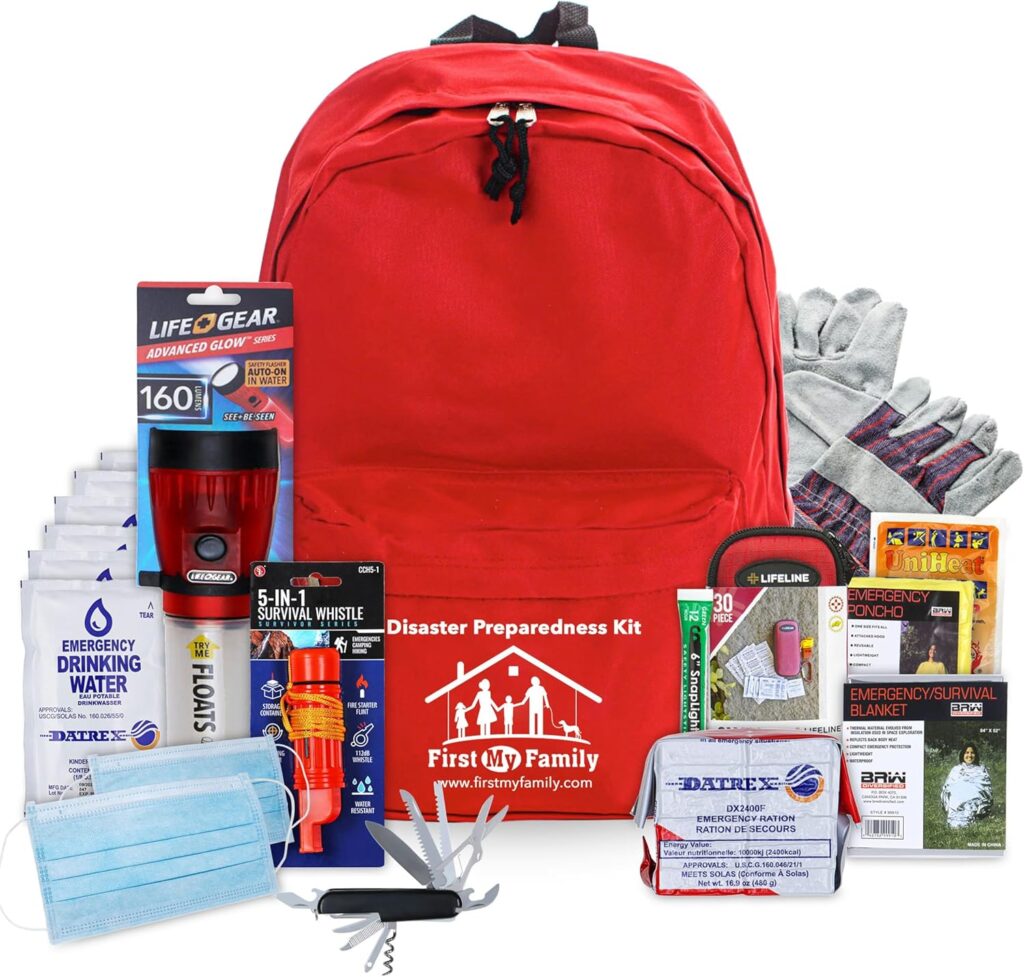
The backbone of any grid-down plan is a well-stocked emergency kit. Here’s what to prioritize:
1. Food & Water
- Water: Store at least one gallon per person per day for two weeks. Consider adding water filters or purification tablets.
- Food: Stock up on canned goods, rice, beans, peanut butter, freeze-dried meals, and other long-shelf-life items.
- Cooking Solutions: Propane stoves, rocket stoves, or solar ovens can help you cook without electricity.
2. Light & Heat
- Lighting: Invest in LED lanterns, solar-powered lights, and extra batteries.
- Heat: Have wool blankets, sleeping bags, and a safe backup heat source like a wood stove or propane heater.
3. Medical Supplies
- First Aid Kit: Bandages, antiseptics, pain relievers, and prescription medications.
- Hygiene Items: Soap, toothpaste, hand sanitizer, feminine hygiene products.
4. Power & Communication
- Backup Power: Solar chargers, power banks, or a generator with extra fuel.
- Communication: Battery-powered or crank radio to get emergency updates.
5. Security
- Locks & Reinforcements: Secure doors and windows.
- Self-Defense: Depending on your comfort level and local laws, consider pepper spray, firearms, or other tools to protect your home.
Learning Critical Skills
Supplies are essential, but skills are what truly make you resilient. Patriots take the time to learn survival basics:
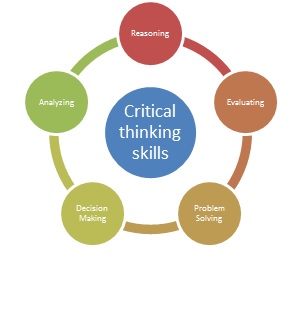
- Water Purification: Knowing how to make water safe to drink is a lifesaving skill.
- Fire Starting: Practice building fires with matches, lighters, or ferro rods.
- Basic First Aid: Learn CPR, how to treat wounds, and how to stabilize someone until help arrives.
- Navigation: Learn to read a map and use a compass in case GPS is unavailable.
These skills turn you from a passive victim into an active problem-solver.
Creating a Communication Plan
During a grid-down event, cell towers may be down, and the internet may be offline. Plan how you’ll stay in touch with loved ones.
- Designate a meeting place if separated.
- Have a list of important phone numbers written down (not just stored in your phone).
- Consider two-way radios or CB radios for local communication.
Protecting Your Home
Unfortunately, prolonged blackouts can lead to looting and civil unrest. Protecting your home and family becomes a priority.
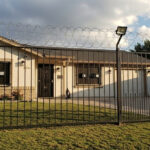
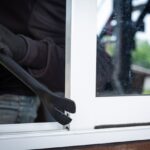
- Reinforce Entry Points: Strengthen doors and windows with locks, bars, or security film.
- Install Motion Lights: Solar-powered lights can still work even without grid power.
- Build Community: Connect with neighbors you trust — there’s strength in numbers.
Remember: security is about deterrence first. A well-prepared, well-lit home is less likely to be targeted.
The Role of Power Alternatives
If you can afford it, invest in backup power solutions.
- Generators: Gasoline, propane, or dual-fuel generators can run critical appliances.
- Solar Power: Solar panels paired with a battery bank can provide a quiet, renewable power source.
- Vehicle Power Inverters: Allow you to use your car battery to power small devices.
Even a small power setup can make a huge difference, allowing you to run a fridge, charge phones, and keep lights on.
Final Thoughts
Preparing for a grid-down scenario isn’t about living in fear — it’s about living with confidence. Patriots know that when the lights go out, the prepared thrive while the unprepared panic. By building a supply kit, learning critical skills, securing your home, and practicing your plan, you can face the unknown with strength and resilience.
The grid may go down, but your ability to adapt and protect your loved ones is what truly keeps the lights on in the darkest times. Start preparing today — because tomorrow may be too late.